Load cells
We help enterprises move to a qualitatively new level of work and automate control and measurement processes thanks to Keli Sensing tensometric equipment. Weighing products from the company "Keli Ukraine" - high accuracy, stable operation and ease of operation.
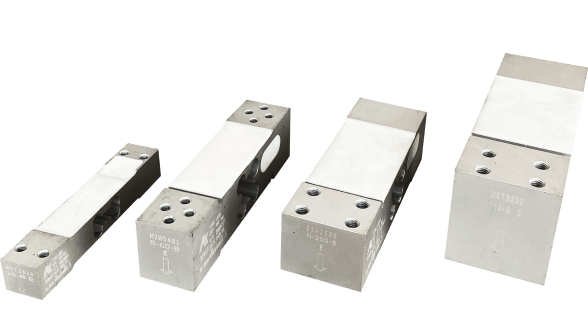

The device and principle of operation of load cell
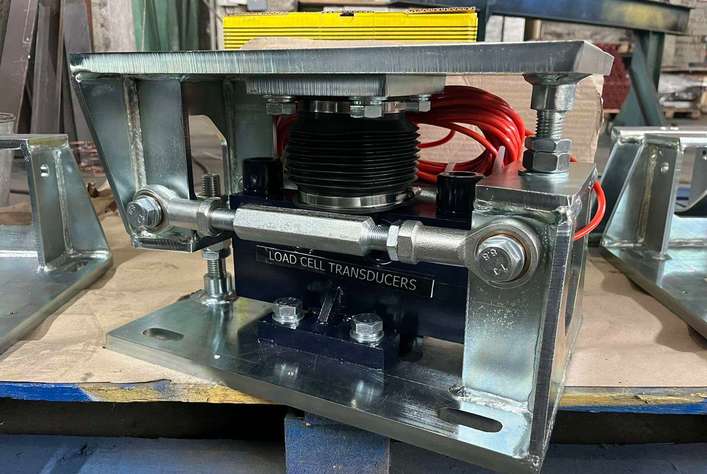
The weighing load cell is the basis of the mechanism of any electronic weighing equipment. Under the influence of the mass of the cargo, a mechanical deformation occurs in the sensor, which is calculated by the device. Next, it converts it into an electrical analog or digital signal and transmits it to the weight indicator, which displays the weight of the load.
The use of load cell for electronic scales with modern "Keli Sensing" technologies allows to achieve systematization and speed up the entire measurement process.

Characteristics of load cells

Modern load cells for Keli scales have almost flawless accuracy. The most common load cells are sensors of the accuracy class C3, which corresponds to a combined error of 0.02%, and therefore guarantees the reliability of the measurement.

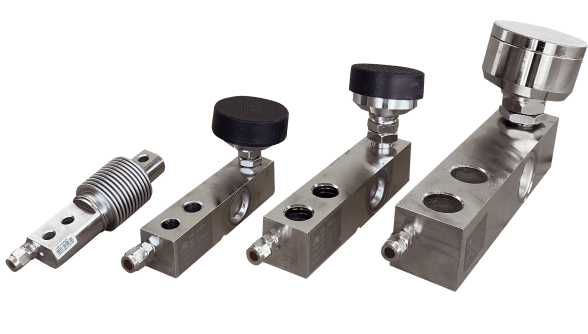
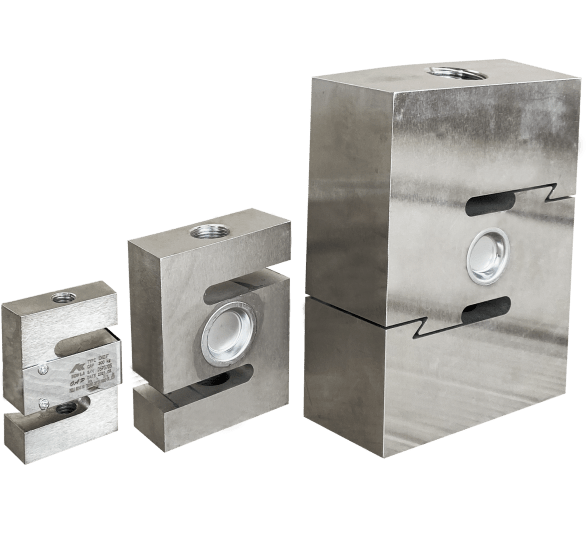
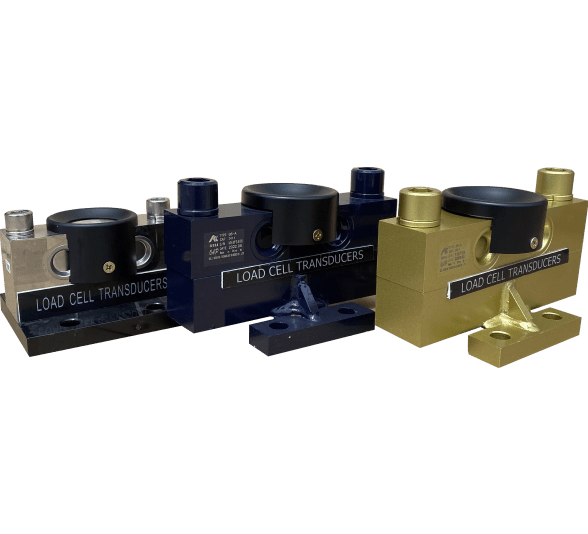
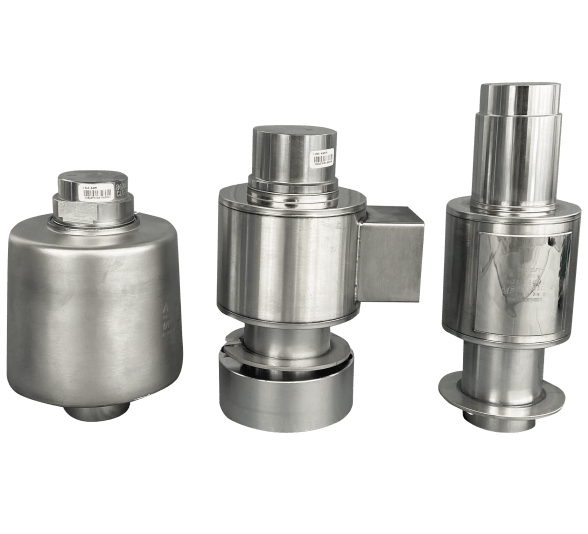
Our assortment includes a variety of weight load cells: S-shaped, beam (cantilever) type, column load cells, two-support type load cells, single-point load cells, torsional, cylindrical, and others. The catalog of load cells "Keli Ukraine" presents a variety of positions, which allows you to choose the equipment that is most suitable for the specific production needs of the customer.

Most of the load cells of "Keli Ukraine" are made of aluminum, stainless or alloy steel, which ensures a long service life of the equipment. Waterproof load cell have IP68 protection class. Load cells made of stainless steel are especially in demand in the food and pharmaceutical industries.

In the event of a malfunction of one of the sensors, the scales with the rest of the strain gauges maintain their functionality and measurement accuracy. Therefore, you can be sure of the reliability of the measuring equipment of the Keli Ukraine company, even when something does not go according to plan.
Types of load cells
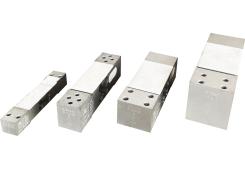
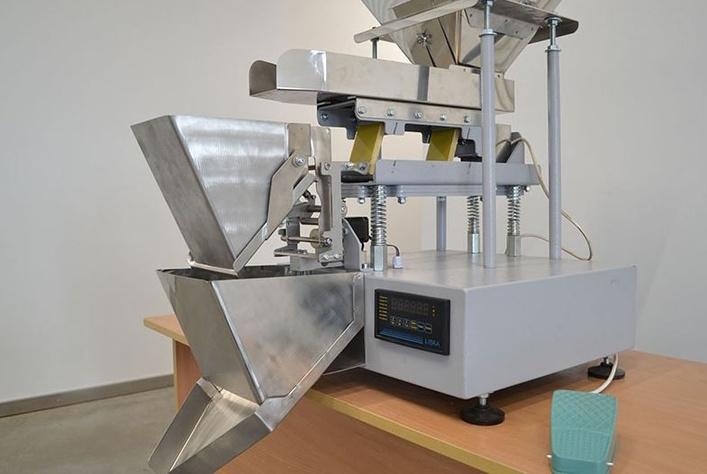
Their main advantage is the possibility of creating a weighing system using only one sensor. This type of weighing sensors is used in packaging and dosing equipment, as well as in the construction of small platform scales with a small load on the platform.
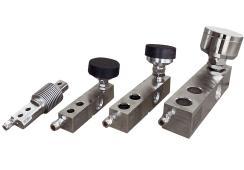
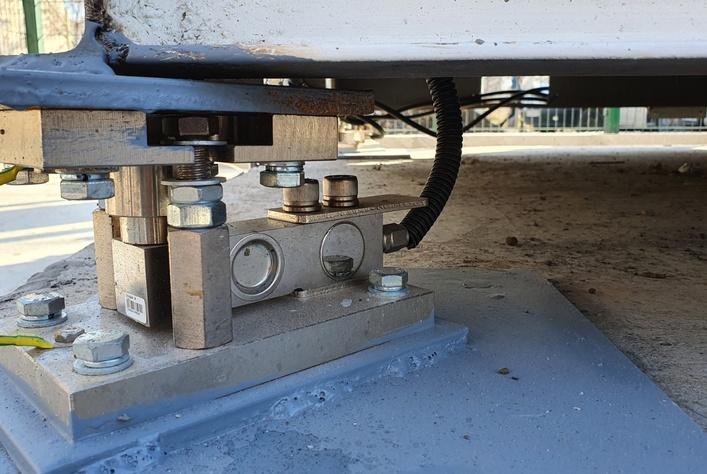
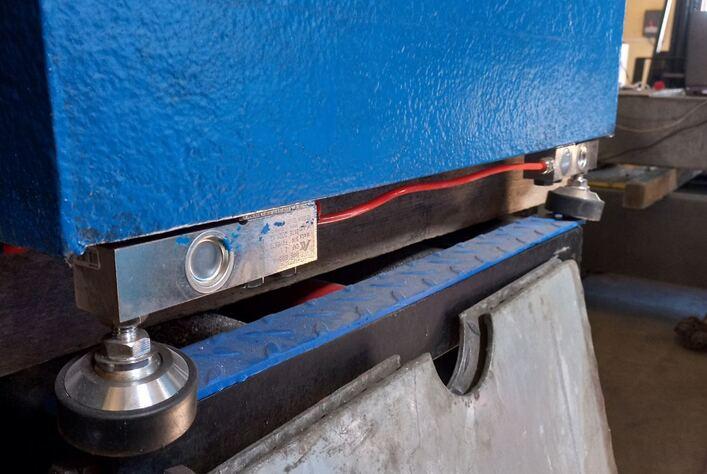
Beam (cantilever) type sensors, such as Keli QS or Keli SQB, are used in warehouse platform scales, automotive scales, as well as in animal weighing scales, bunker scales.

This type of sensor is intended for use in suspension and bunker rails. The outbuildings are equipped with swivel bearings, reducing the hours spent on installation and start-up. At the heart of the work of strain-resistive load cell is the principle of converting the mechanical force of stretching / squeezing to an electric signal, proportional to this mechanical force. Load cells of the S-type type can be used for squeezing, and for stretching.
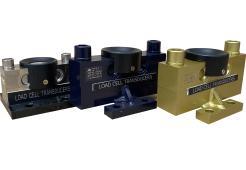
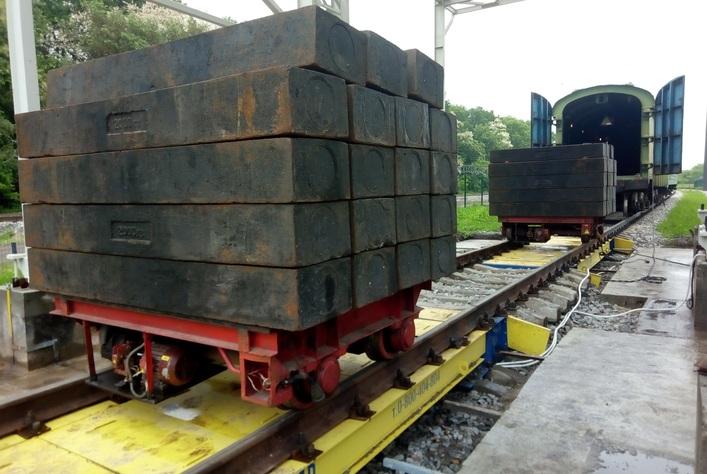
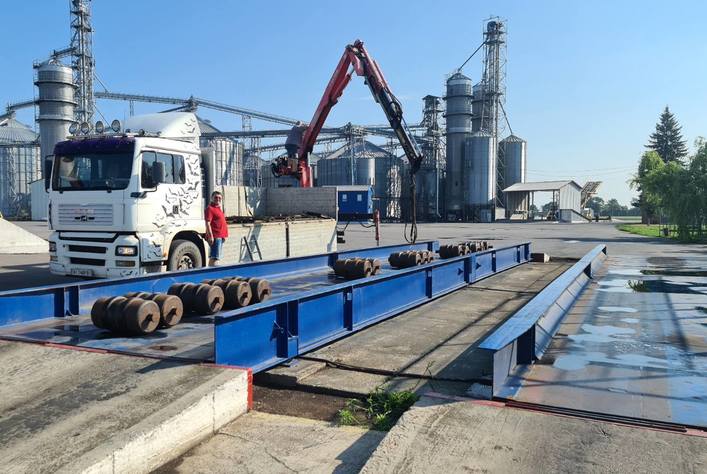
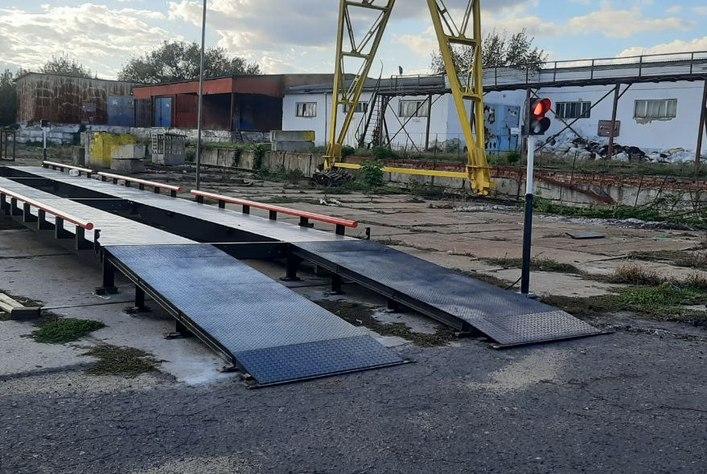
This type of load cell works on the principle of converting readings of mechanical deformation into a proportional electrical signal. Most often, they are used during the production of new or modernization of old wagon, car or multi-ton scales, as well as in test stands. Keli QS-D digital load cell is also used for railway and road scales.
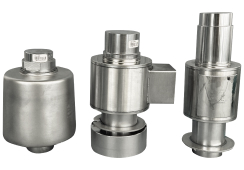
The force-measuring element of this type of load cell is made in the form of a column, as in the Keli ZSFY model. They are mainly used in automobile, railway scales, etc. Column-type load cell can reach the maximum accuracy of class C5. In terms of geometric dimensions and electrical parameters, column strain gauges are interchangeable with sensors from other manufacturers.
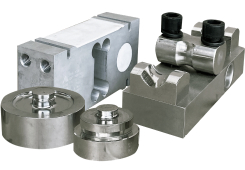
Our range also includes other types of load cell equipment. These are mainly a large number of interchangeable models: CAS load cell, ESIT load cell, FLINTEC load cell, ZEMIC load cell, HBM load cell and UTICELL load cells, as well as specialized narrow-profile models. All models of weighing sensors are available to order.
















Implemented projects