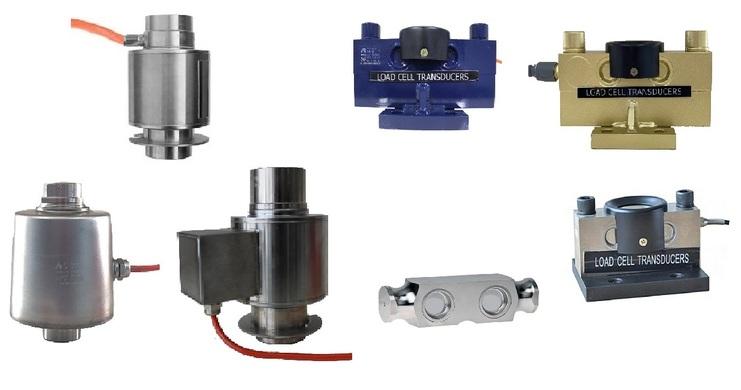
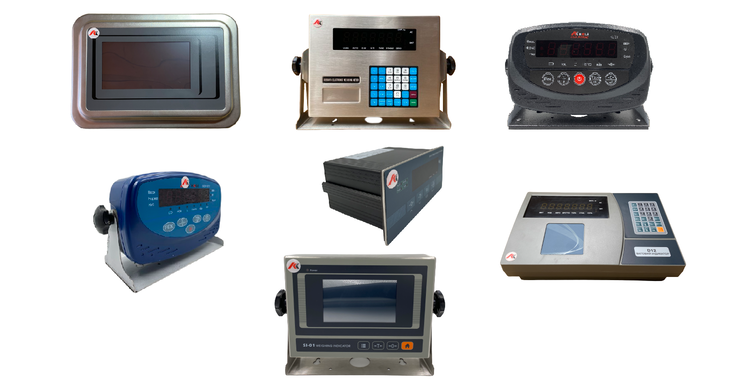
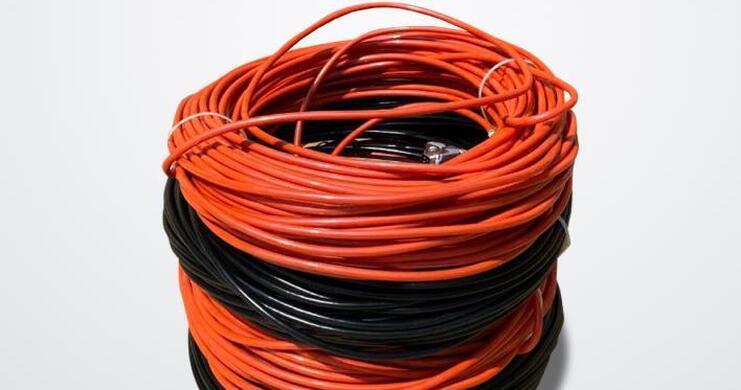
Features of the choice of transducers and junction boxes for load cells for scales
Basic requirements for signal converters for load cells
Structurally, the transducer is a system of electrical insulation and connectors that are used directly to connect sensors. Transducers for pressure sensors must meet the requirements of the sensor.
The insulation of the transducer can be galvanic or electrical. The latter is more effective. The insulation of load cell transducers reduces noise, eliminates the possibility of parasitic grounding in the network, and ensures measurement accuracy.
Often, electrical isolation of the load cell signal converter is called galvanic isolation. This concept implies separation of the device circuit from a number of other current sources. This eliminates influence and guarantees maximum accuracy of the readings.
The insulation of the transducer for strain gauges should be located not only between the ground and the channel, but also between the channels. In rare cases, the excitation lines are also insulated.
Features of connecting transducers to load cells
Most often, the voltage is transmitted via a BNC connector and banana plugs. Thermocouples that are currently available in the systems are almost always equipped with mini-blade connectors and are color-coded to meet the international standard.
Most of the load cells are sold with bare wires, which allows the engineer to choose the optimal connection path (three-, four-wire, with or without a reading bus). At the moment, there is no single industry standard.
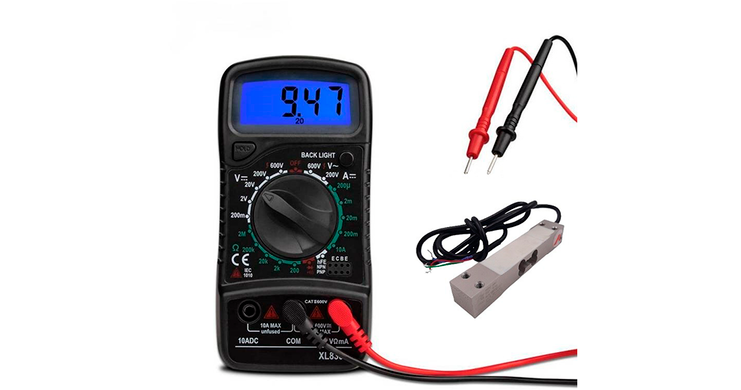
One of the main characteristics of load cell signal converters is the measuring range. Here is a small example of an incorrectly selected range of load cell transducers. If you try to measure a voltage of ±2.5 mV with a transducer with a range of ±50 V, the signal will be too weak. In the opposite situation, at a voltage of ±100 V and a transducer range for load cells of ±50 V, half of the signal is cut off, and therefore it will not be measured.
Types of junction boxes for load cells
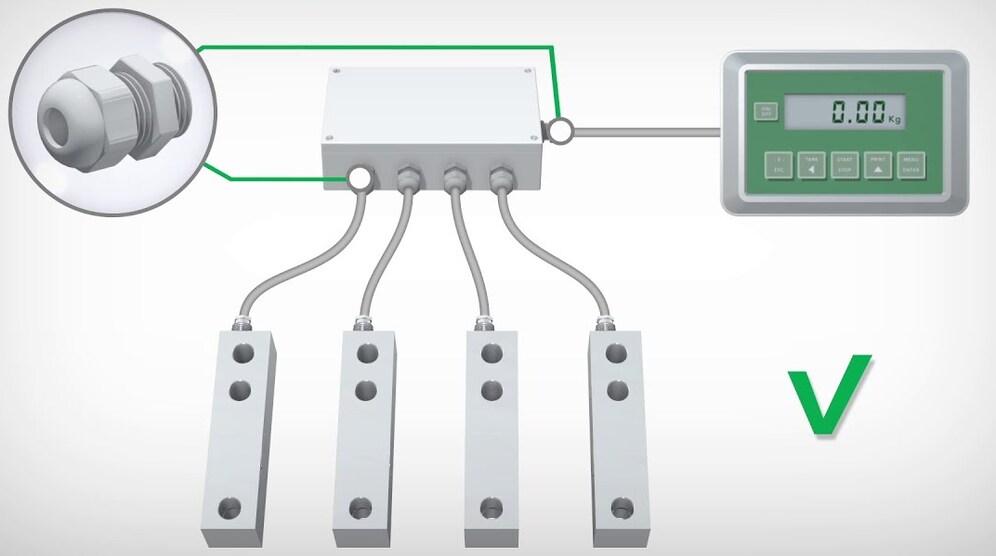
A strain gauge combiner or terminal block is an essential element of a strain gauge measuring system. Its main function is to connect the cables coming from the load cells and summarize the signals. The signal of the load cell combiner is then sent to the weighing terminal, converted to a numerical result, and displayed in a convenient format.
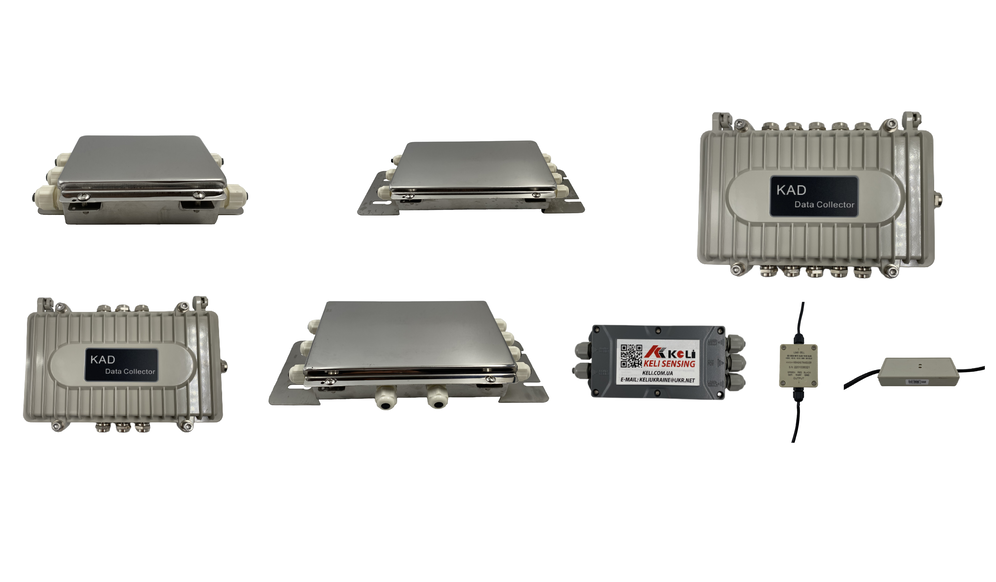
Load cell junction boxes are often called load cell adders, load cell terminals, or balancing boxes depending on their function. Structurally, a load cell junction box is a small device measuring 20x10x10 cm with outlets for a weighing terminal and cables. At the bottom of the load cell terminal box there is a mounting in the form of a platform with holes, which allows you to quickly fix the load cell totalizer on the weighing equipment.
The load cell combiner's outlet terminals have caps that ensure sealing of the connecting wires and high-quality signal transmission to the weighing terminal. Unlike conventional terminal blocks, the load cell junction box provides the ability to adjust the summed signal. At the moment, there are two models of load cell junction boxes with adjustable resistance or voltage level.
Load cell junction boxes are classified according to several parameters, including the number of outputs and the housing material. Standard load cell junction boxes are models for connecting 4, 6, 8, or 10 load cells.
The body of the load cell totalizer is made of stainless steel, aluminum, or plastic. This parameter determines the operating conditions of the load cell terminal blocks, their durability, strength, and the price of the product. Stainless steel junction boxes are the most durable, designed for use in harsh industrial environments.
When choosing a load cell totalizer, pay attention to the level of moisture protection, which should be within IP67...IP68. This will allow the load cell terminal block to be used outdoors, in dusty rooms, in warehouses with raw and frozen products.
It is worth noting that the terminal blocks for load cells have an explosion-proof design, which allows them to be used in coal mines, pulp, cotton and grain processing plants.