How to choose strain gauges for truck scales
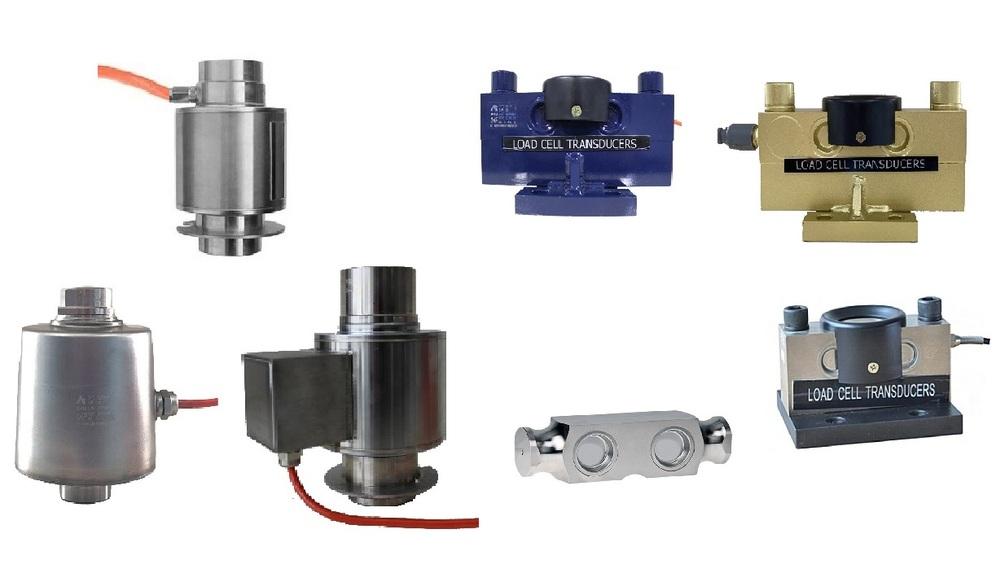
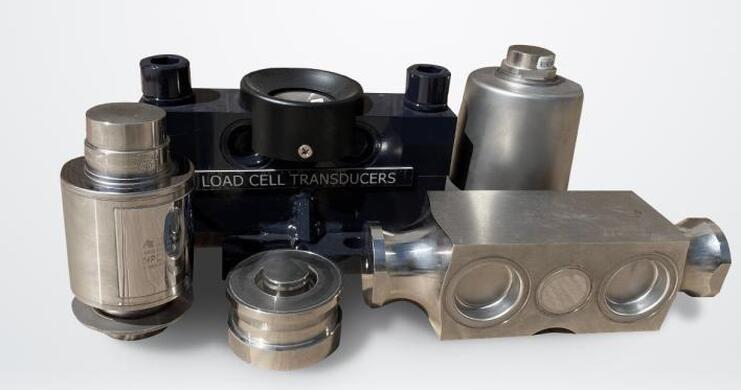
Functionally, strain gauges are designed to convert mechanical deformations into an electrical signal. Strain gauges are one of the main elements of force measuring, weighing devices and scales, including automotive scales.
Maximum load and accuracy of strain gauges
The term "maximum specific load" of a strain gauge refers to the sum of the weight of the product, the weight of the structure, and additional loads. The latter include wind loads, the probability of load displacement, and dynamic loads. The calculated maximum specific load must not exceed the maximum dosing threshold (MDT) specified in the load cell's technical data sheet.
When considering such a load cell parameter as accuracy, it is important to distinguish between two concepts: the discreteness of the reading and the price of the test division. The measurement error depends on the load curve of the strain gauge and the load-to-strain ratio.
The error is no more than 0.03% for strain gauges of C3 type weighbridges. If the system operates with several load cells, the accuracy increases by N times. In this case, the parameter N refers to the number of strain gauges.
An example of calculating the rated load of strain gauges for weighbridges
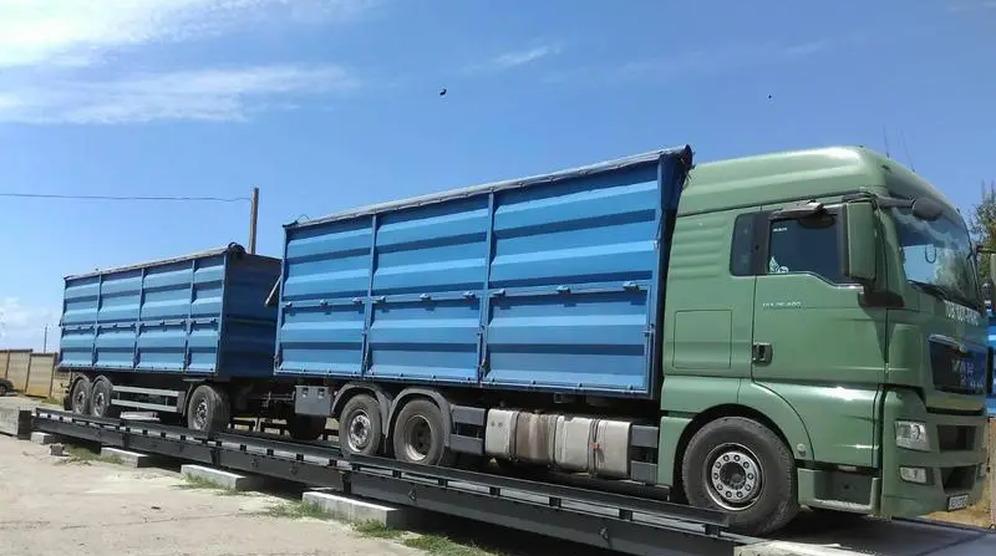
The task of this calculation is to estimate the real load that will occur at each point of the strain gauge weight sensors, taking into account extreme situations.
The first thing to do is to determine the "dead load", i.e., the weight of the measuring system with all components. The "product weight" parameter depends on the type of vehicle to be weighed. Gross weight = product weight + own weight.
N is the number of supports on which the weighing platform is placed. Most often, truck scales have from 4 to 10 supports. To calculate the theoretical load, the gross weight is divided by the number of supports (N). Load cells of truck scales are selected so that the rated load exceeds the theoretical load.
Load cell rated load = k x gross weight / N. k is a safety factor and has a set value in the range of 1.25 to 3. This number in the formula increases the rated load of strain gauge sensors of truck scales by 25-150%, taking into account additional load factors. The latter include vibrations, wind loads, and asymmetries. For example, to calculate platform scales with 4 load cells, the coefficient k = 1.8 is used, for bridge scales for weighing trucks with 6 or 8 load cells, k = 2-3.
Please note that if the "dead load" accounts for more than 50% of the total weight, it is recommended to increase the safety factor by a factor of k=2-3.
Protection of strain gauge weight sensors from environmental influences

When choosing load cells for truck scales, it is important to consider the operating conditions. The degree of protection of the load cell has an international IP marking. For safe and long-term operation of the load cell in aggressive environments with a high level of dust, the IP must be at least 67.
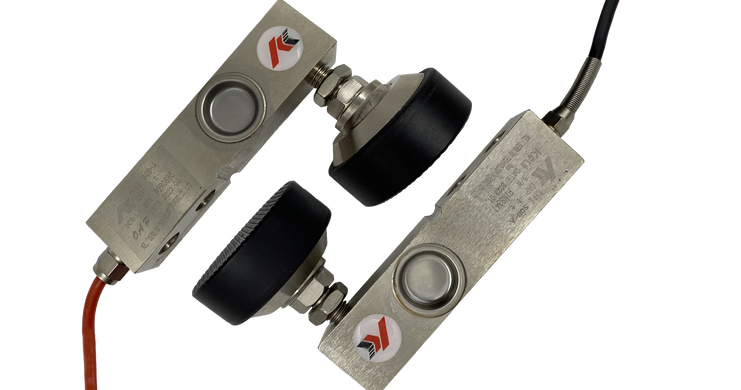
If there is constant humidity, it is recommended to choose Keli load cells made of stainless steel. Nickel-plated steel and aluminum are less resistant to aggressive environments. The degree of protection of strain gauge weight sensors largely depends on the type of housing. The most reliable are the hermetically sealed Keli load cells with welded housing. Special requirements for strain gauge weight sensors are imposed in climatic zones with strong winds and earthquake zones.
The sequence for selecting a Keli load cell
Determine the type of Keli load cell and calculate the load rating. Evaluate the operating conditions and possible changes, such as climatic changes throughout the year.
When installing the Keli load cell, ensure that the surface is clean, flat, hard, and stable. Also, do not weld in the vicinity of load cells.